
From Tarsus to Rome
In the footsteps of Paul
Trace Paul’s recorded travels from Tarsus and Damascus through Cyprus, Anatolia and Greece to Malta and Rome, with Bible references and the stories behind later memorials.
Start this journeyTHE MIDDLE EAST · A LIVING HERITAGE ATLAS
Find 327 churches, monasteries and Christian heritage sites across 17 countries. Explore by country or map, with sourced histories in six languages.
327 documented places, including 270 church buildings, across 17 country directories. The total also includes monasteries, historic religious sites and biblical sites.
Choose a journey and explore the places, people and traditions that connect its stops.
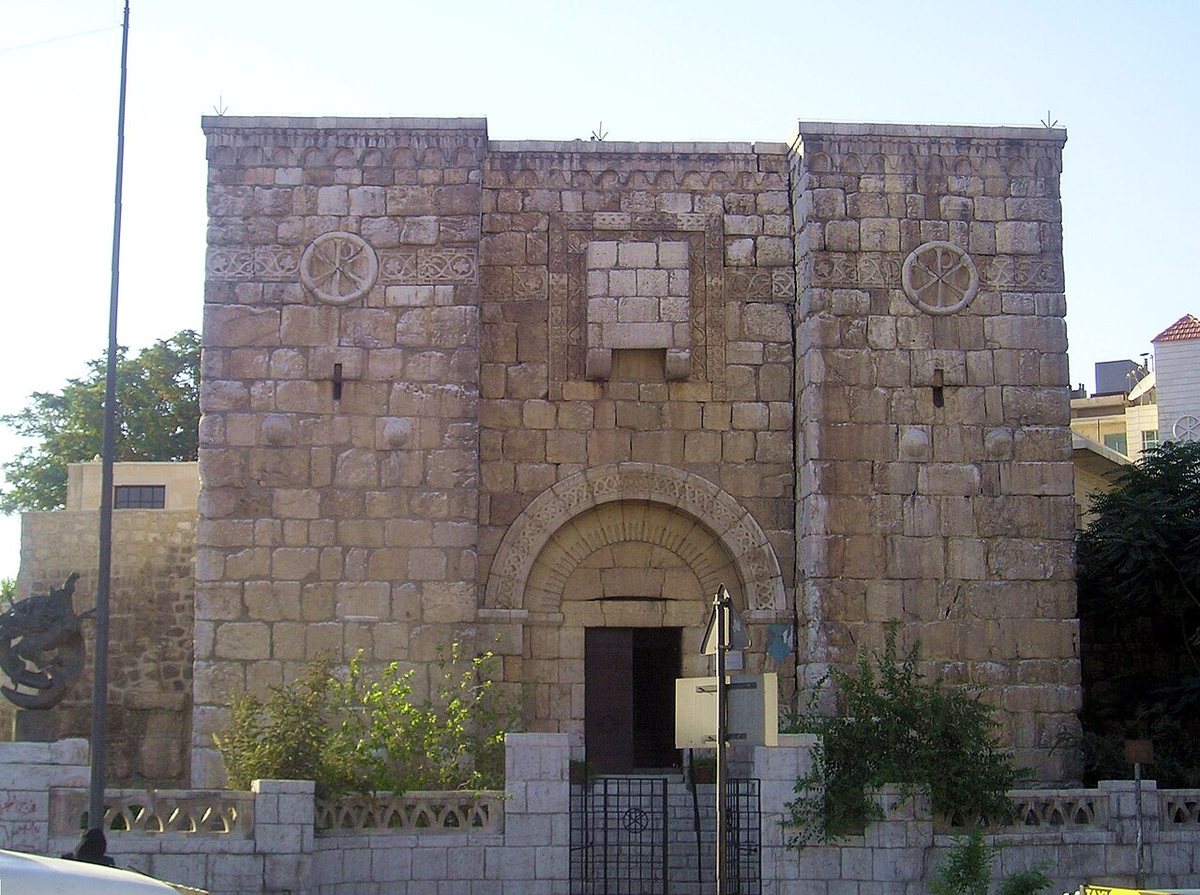
From Tarsus to Rome
Trace Paul’s recorded travels from Tarsus and Damascus through Cyprus, Anatolia and Greece to Malta and Rome, with Bible references and the stories behind later memorials.
Start this journey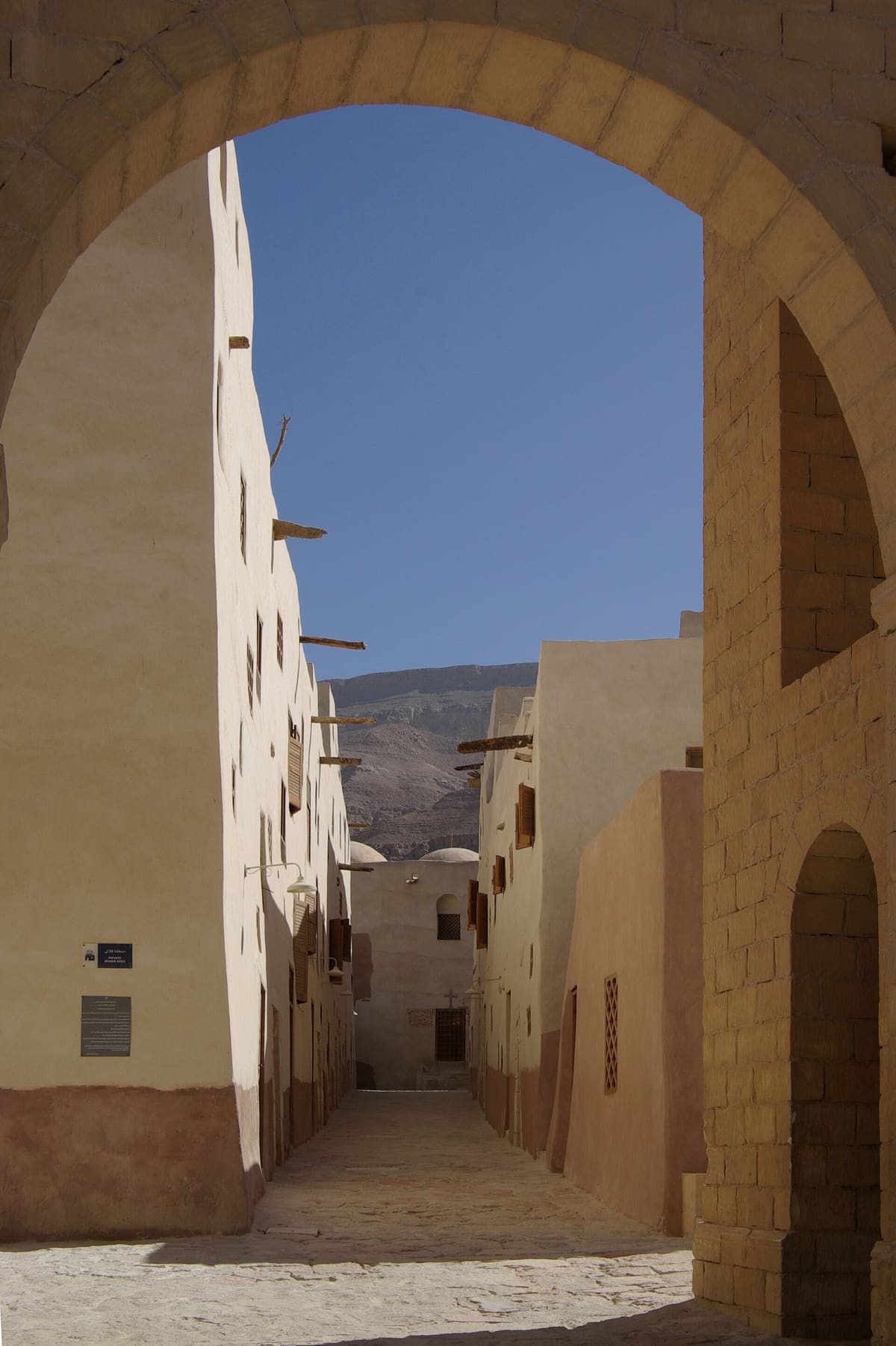
6 stops
Discover early monastic roots and their later legacies through painted churches, desert communities and the small details of daily life.
Start this journey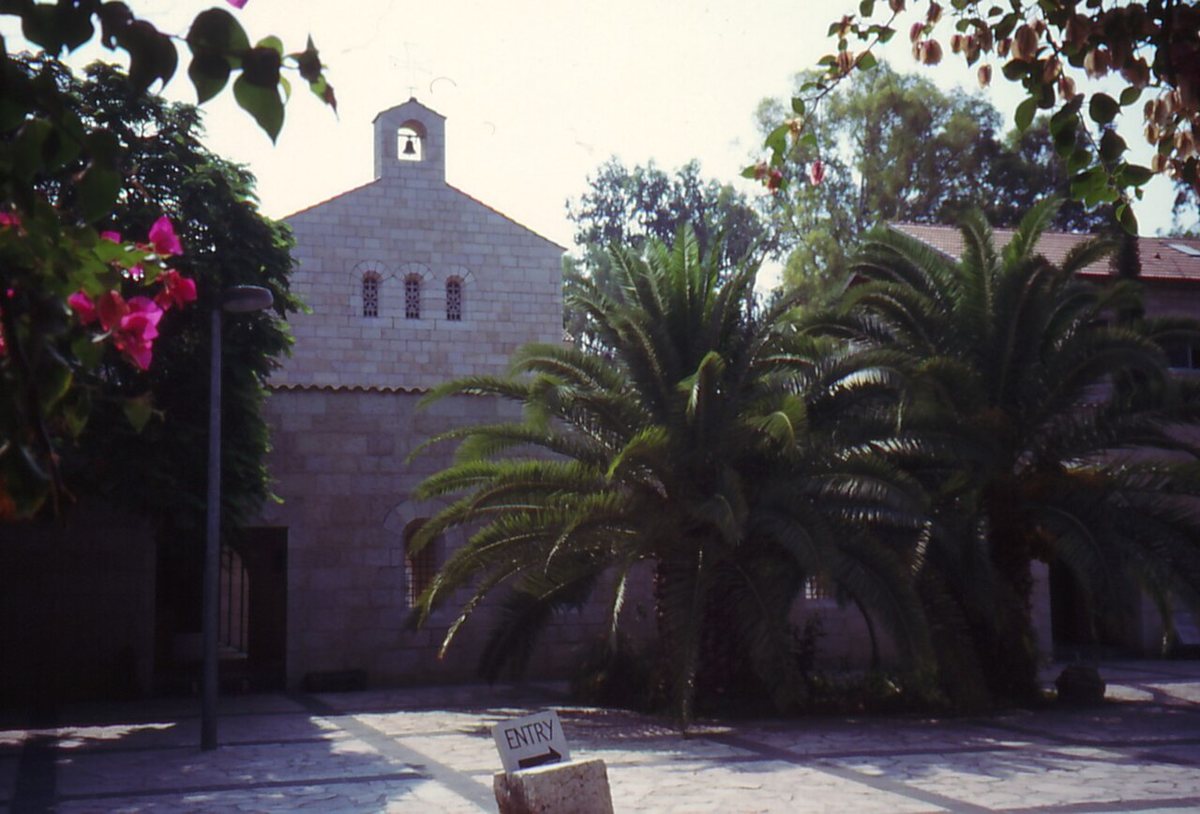
6 stops
Explore six places where Gospel stories, ancient remains and later churches meet, from Capernaum and Tabgha to Magdala and Tiberias.
Start this journey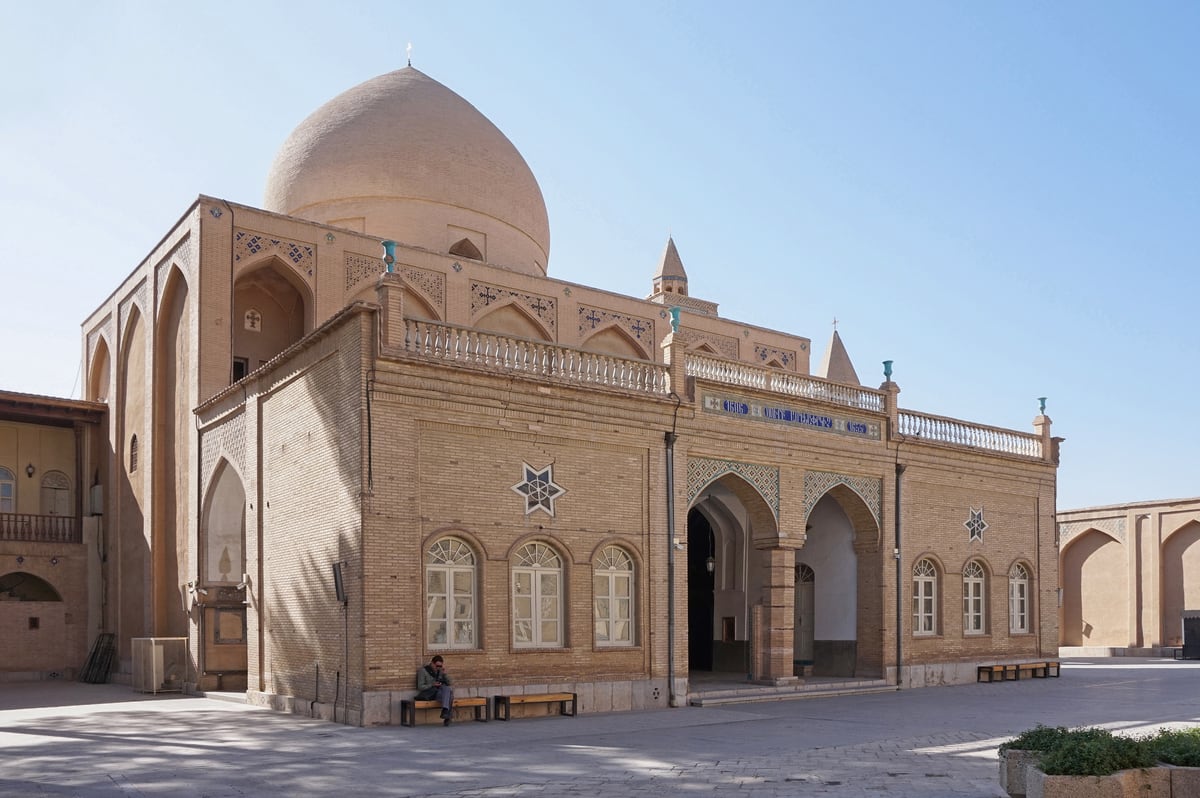
7 stops
Follow Armenian Christian art and community history through seven churches and monasteries, from Jerusalem, Aleppo and Beirut to Iran.
Start this journeyDiscover sacred places across the Middle East, from Egypt and the Holy Land to the Gulf. Each country guide links to individual places, their stories and sources.
Start from a country to see every documented place in it, or open the map to move from the region down to a governorate and a single building. Each country page lists its places with a short excerpt; each place has its own page with the full history, the sources behind it, and a coordinate reference where available.
A place appears in this directory only once it has been matched to a specific public listing. Map markers are shown only where a location has been checked. Each profile carries a short history drawn from a named source, and a photograph is used only where the picture shows that exact building under a licence that permits reuse. Where a source could not be confirmed, the place is held back rather than filled in.
The building’s name and locality, its denomination or tradition, whether it is a church, a monastery or a historic religious site, coordinates where available, the listing its identity was matched against, a sourced history with an interesting detail, scripture references where an association is documented, and a licensed photograph where one exists.


